
Diving into history
People often ask me if I have a single favorite dive in Alvin, is there a location or deep-sea environment, or experience that ranks as my number one. But there is never an easy answer to this question.
Every dive in Alvin is a unique experience, even when we’re headed back to sites we visit regularly, like the hydrothermal vents along the Eastern Pacific Rise (EPR), 550 nautical miles due south of Manzanillo, Mexico. Every dive provides an opportunity to learn something new, make a new discovery just outside of Alvin’s viewports, or share an engaging conversation with my observers. But some dives are standouts, experiences that stick a bit more than others, that resonate in my memory and remain with me as I move on with my career and life as a deep-sea human.
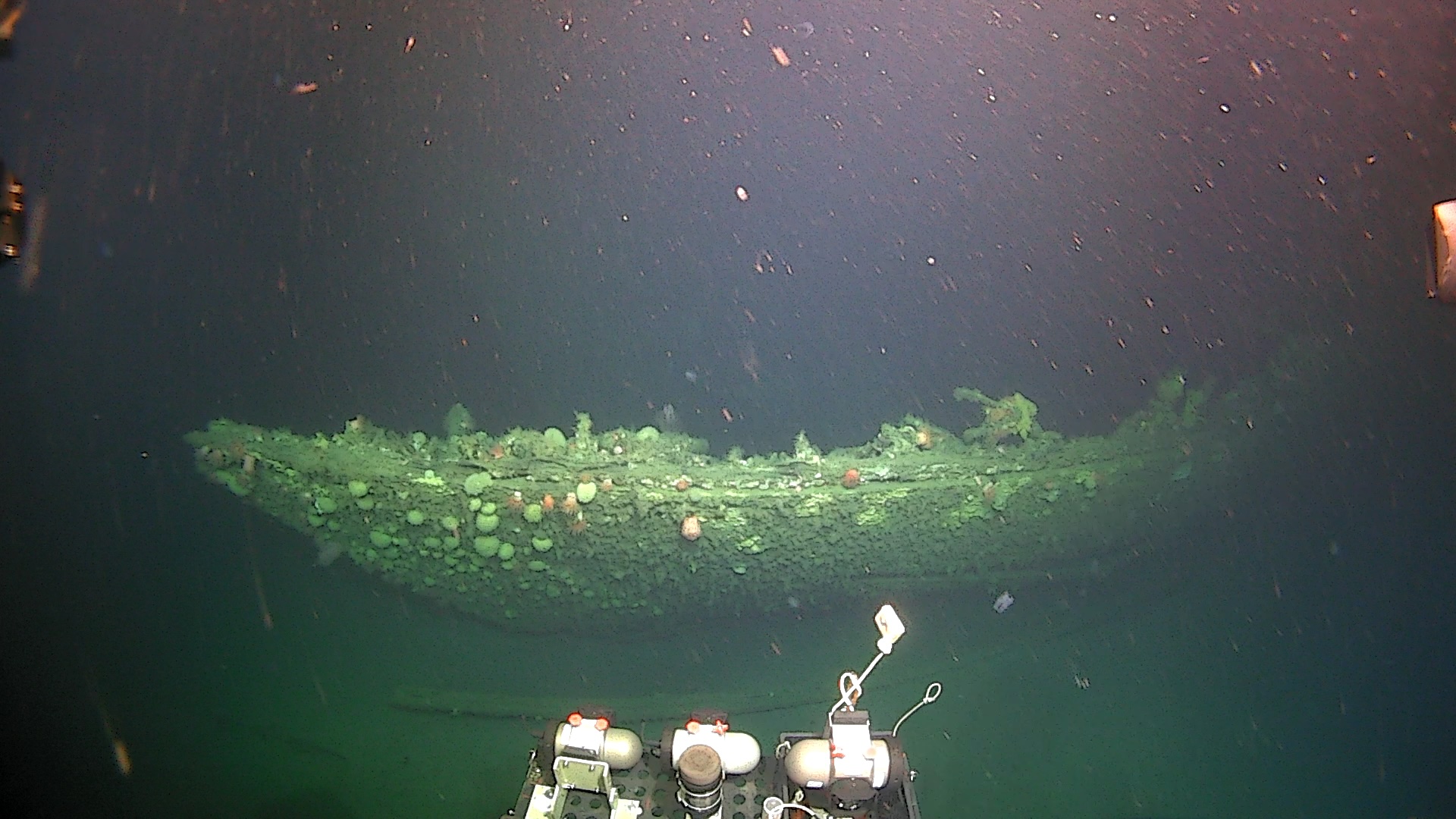
When I learned that we were heading to dive on the wrecks of the polar exploration vessels Quest and Terra Nova, it was clear the dives would be very different from my many other voyages with Alvin.
Initially, as we worked through the pre-cruise logistics, my thoughts were focused on understanding the condition of the two wrecks, their depths and positions on the bottom, the local visibility and currents, and potential hazards such as nets, overhanging wreckage, or icebergs. I was thinking like a pilot and expedition leader, focused on accumulating critical knowledge to plan and execute the dives and share this information with the other Alvin pilots and the operations team. This is a normal activity prior to a cruise: Get to know the places we’ll visit, pregame the dives, and make sure we’re ready and able to have a safe and successful series.
But once we departed Woods Hole on July 2, on our way north to the wreck of the Quest, I began to gain a deeper understanding of the historical significance of the two ships. We were fortunate to have several polar historians and researchers aboard as part of the science team from the Royal Canadian Geographical Society. During evening presentations, they shared their knowledge of the two wrecks and of the famous team of explorers that once sailed on them.
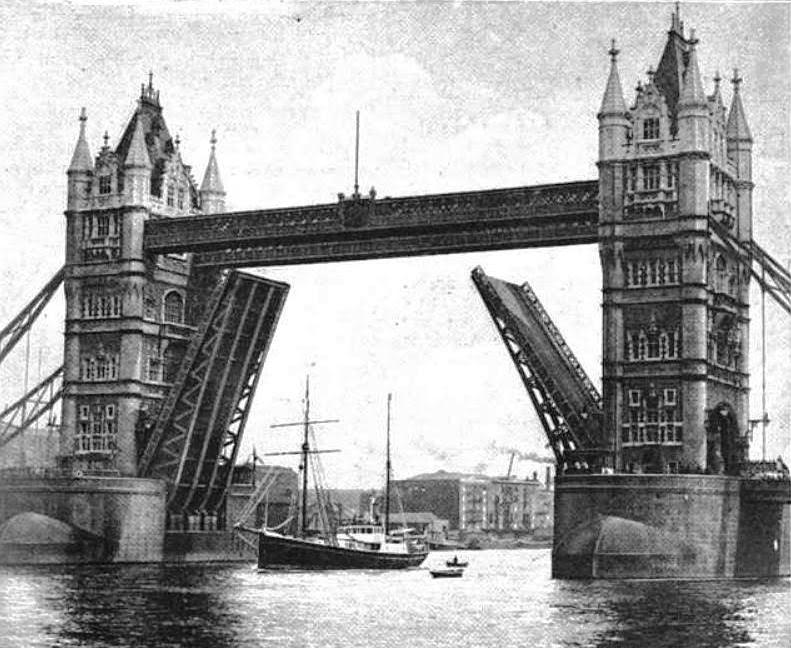
Quest passes under the Tower Bridge in London in 1921 before setting off on Shackleton’s final voyage. Library Royal Canadian Geographical Society
The historical photographs of the ships and crews working on deck, with the spectacular Antarctic scenery in the background, played out in my mind during the dives as we moved along the deteriorating hulls and broken decks of the sunken ships. This sort of connective history transformed the dive from a simple survey of an old shipwreck to a trip back through time. Hovering above the wrecks, I could imagine Sir Earnest Shackleton peering from the deck house portholes on Quest as he prepared to play cards with his men, anchored off of South Georgia Island, or Captain Robert Falcon Scott standing near the dual-helm of the Terra Nova, on arrival to Ross Island for his attempt to be first to the South Pole. This was an experience shared by all three of us in the sub as we made our way around the wrecks, fully aware of how fortunate we were to be in these places, in person.
Whether we’re in the heart of the linear volcano that runs the length of the mid-ocean ridges, or cruising slowly above the wreck of a famous polar exploration vessel, diving in Alvin is a highly technical endeavor. It takes the dedication of the Alvin and Atlantis teams to keep the operations safe and ready to support the scientists, researchers, and explorers and to enable these sorts of transformative experiences. Without them, and the support from NSF, ONR and the engineers at WHOI, there would likely be no Alvin program, nor would there be opportunities for these fundamental human experiences.
I still can’t tell you what my most favorite dive is, and maybe there will never be just one. But It’s rare that we can make the deep human connection with our dives in the sub as we did at the Quest and Terra Nova. Knowing of the people that once walked the decks of the two ships, of their triumphs and failures, and of their heroic endeavors made the dives on the Heroic Ages voyage among the most poignant and memorable.